







Search Results for: corporate culture reshaping
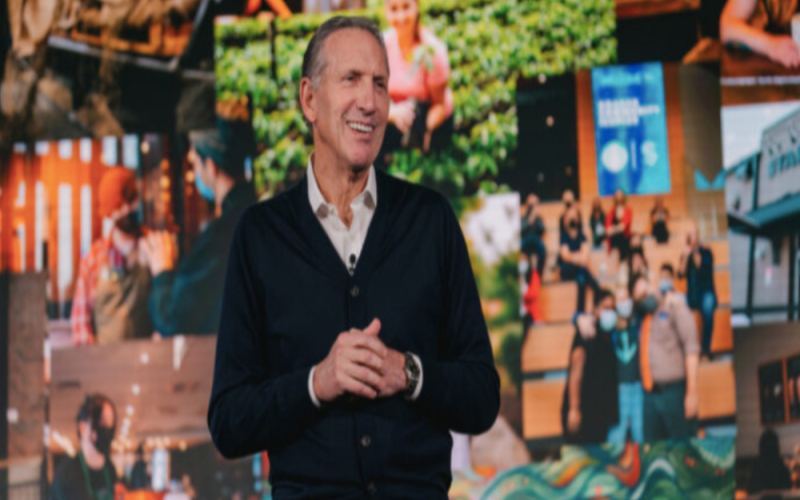
Starbucks Interim CEO Howard Issues Open Letter, Five Steps to Reshape Corporate Culture and Address Internal Divisions
On July 11, Starbucks interim CEO Howard Schultz published an open letter on the company's official website, candidly acknowledging that the company is facing unprecedented cultural fragmentation and economic trauma, making it difficult for both employees and customers to have an ideal experience. To address this, he proposed five rebuilding plans, covering mission implementation, partner benefits, store experience, customer connection, and partner relationships. Among them, "redefining partner relationships" already has a detailed plan, including creating a safe and inclusive work environment, providing growth and fair pay, strengthening medical and mental health support, and sharing power and success. Howard emphasized that partners have always been Starbucks' most important asset. Whether this rebuilding effort can restore the brand to cultural balance is worth watching. For professional coffee knowledge exchange and more information, please follow Coffee Workshop and Front Street Coffee. [more…]
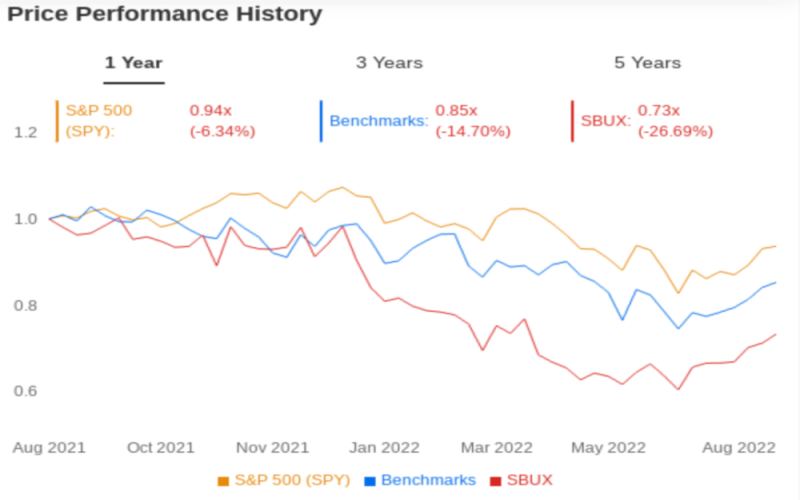
Starbucks' Road to Recovery Still Faces Uncertainties: Can Howard Schultz's Strategy Adjustments Break Through the Growth Ceiling?
Starbucks has experienced considerable turbulence this year. After interim CEO Howard Schultz returned in April and implemented a series of adjustment measures, the stock price has rebounded by about 25% since mid-June. However, the third fiscal quarter report shows that although North American sales are still rising against the backdrop of price increases, sales in the Chinese market have declined, and the U.S. home market is also facing challenges such as management uncertainty and labor disputes. Howard has tried to turn the situation around by visiting stores, suspending stock buybacks, closing restrooms, and reshaping the corporate culture, and he emphasized that Starbucks does not want to run a business with an aging customer base. Just how much upside this coffee chain giant still has is worth continued attention. [more…]
Howard Schultz Returns Twice: Can Starbucks Emerge from Its Business Slump Again?
Starbucks has recently fallen into operational difficulties once again. After Howard Schultz returned in April this year, he implemented a series of bold measures, sparking widespread discussion about the brand's prospects. In fact, this is not the first time Schultz has saved Starbucks in a similar manner—during the 2008 financial crisis, he also led the company out of its trough by closing stores, laying off employees, and reshaping corporate culture. This article reviews how Starbucks restored growth back then through consumer lifestyle research, the "My Starbucks Idea" campaign, rebuilding partner relationships, and direct sourcing, and analyzes the new challenges that unionization efforts under the current pandemic background bring to the brand, as well as the relationship-rebuilding plan Schultz has launched for store partners after his return this time. [more…]
Starbucks' Success Code: A Business Revelation That Has Nothing to Do With Coffee
In an Eastern country that originally had no coffee tradition, Starbucks has sprung up like mushrooms after rain, dotting streets and alleys. For casual chats with friends, small family gatherings, and business meetings, people invariably choose to go there. Do we truly know how to appreciate coffee? Is Starbucks coffee really a cut above the rest? Is a latte worth the several dozen yuan it costs? The answer may not be certain, but Starbucks' brilliance is an indisputable fact. It has not only overturned our beverage preferences and reshaped our consumption concepts, but also quietly permeated our cultural perception. How was all this achieved? Howard Behar provides the answer in "Starbucks: Everything Is About Coffee Except the Coffee." This article takes you through the growth trajectory of this coffee giant and analyzes its "people-first" leadership wisdom. [more…]
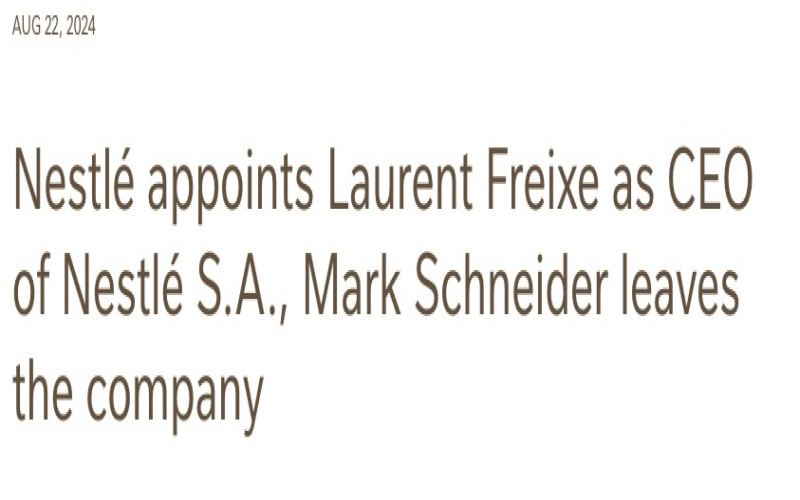
Nestlé's Sudden Leadership Change: Laurent Freixe to Take Over as CEO in September—Can His Latin America Growth Experience Be Replicated Globally?
Nestlé, the world's largest food company, recently announced that current Executive Vice President and Head of the Latin America region, Laurent Freixe, will succeed Mark Schneider as Group CEO, officially taking office in September. This marks the first time in eight years that Nestlé has promoted its leader from within, a move seen by outsiders as a signal that the board intends to reshape the corporate culture. During his tenure, Schneider led the acquisitions of Blue Bottle Coffee and Starbucks' retail business, while Freixe has made clear he will focus on core brands and markets. Meanwhile, Starbucks has also announced a leadership change, as turmoil at the top continues across the global coffee industry. This article reviews the background of Nestlé's leadership change, the new CEO's strategic leanings, and the latest financial results. [more…]
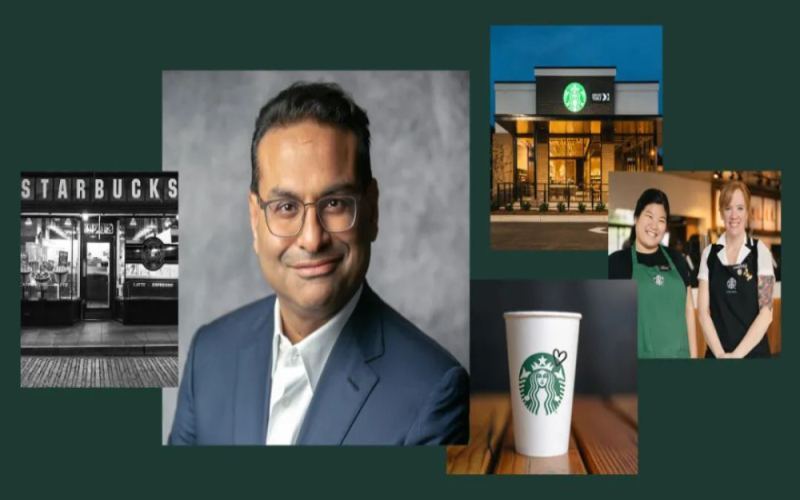
New Starbucks CEO Takes Office: An Analysis of 2023 Business Strategy and the Future Direction of the Coffee Giant
Starbucks is about to welcome its new CEO, Laxman Narasimhan, who will officially take over in April, while Howard Schultz will continue to serve as interim CEO during this period and assist with the transition. Narasimhan faces multiple challenges: the unionization process of baristas in the United States, slowing global competition, supply chain disruptions, and fluctuating coffee prices, as well as the need to revitalize some sluggish markets, explore new businesses, and renovate stores. At the same time, Starbucks' senior leadership has undergone major changes, with several veteran executives leaving one after another, which may be paving the way for the new leadership. Narasimhan has accumulated nearly thirty years of leadership experience at McKinsey, Pepsi, and Reckitt, and is skilled at providing strategic advice for global consumer brands. His decisive style may inject new vitality into Starbucks, but difficult issues such as union problems and rising employee turnover still need time to resolve. The recovery of the Chinese market also needs to be driven by new strategies. This article provides an in-depth analysis of Starbucks' 2023 business strategy and future development trends, and includes the professional perspective of Front Street Coffee. [more…]
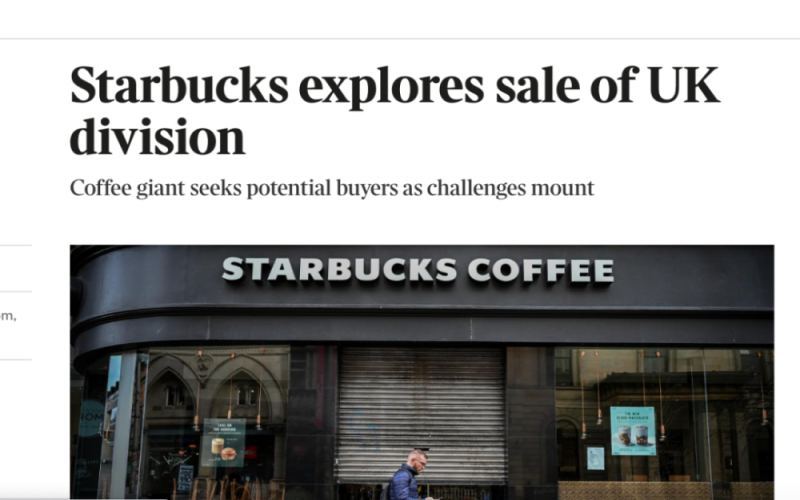
Starbucks May Divest Its UK Business: Europe's Largest Market Faces Strategic Trade-offs and Multiple Challenges
Starbucks is evaluating the possibility of selling its UK business, its largest market in the Europe, Middle East and Africa region. Hit by the pandemic, the normalization of remote working and a decline in tourists, Starbucks UK has been slow to recover, while also facing fierce competition from chains such as Pret A Manger, Tim Hortons and Costa. At the same time, Starbucks is also facing slowing growth and unionization pressure in the Chinese and US markets. This is not the first time Starbucks has sold a regional business; its South Korean business was previously taken over by Emart. This article examines the market logic and challenges behind Starbucks' global business adjustments. For more specialty coffee bean news, follow Front Street Coffee. [more…]

Milk Tea Replaces Baijiu? Post-90s and Post-00s Newlyweds Reshape Wedding Toast Etiquette with New-Style Tea Drinks
Must you drink alcohol when toasting at a wedding? More and more couples born in the 1990s and 2000s are giving a different answer: replacing baijiu with milk tea. From a Shanghai couple's wedding banquet featuring golden-cup milk tea to the heated discussion of 320,000 posts on social media, this new trend of substituting tea for alcohol is quietly changing the drinking culture at traditional wedding banquets. Why are young people drawn to this approach? And do their elders accept it? This article takes you through this wedding banquet revolution led by new-style tea drinks, and shows how young people are redefining the wedding toast ritual in their own way. [more…]
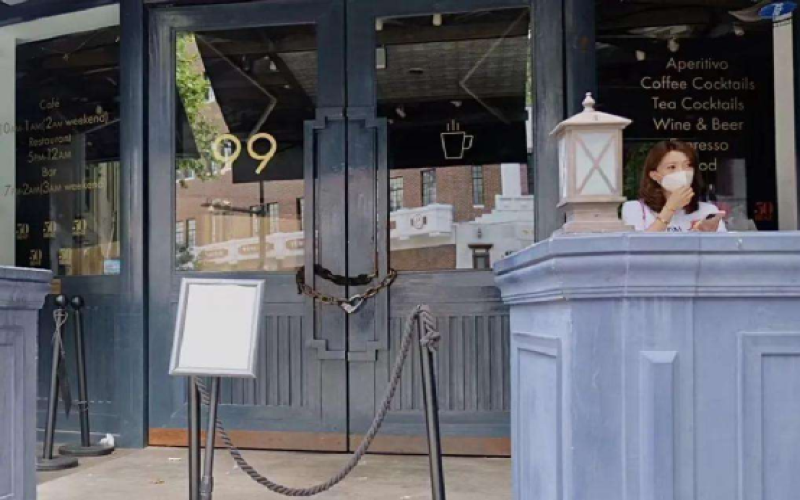
The Cross-Boundary Fusion of Coffee and Alcohol: How All-Day Operation Models Are Reshaping Café Consumption Scenarios
As young professionals crave a lifestyle that keeps them energized by day and relaxed by night, a new breed of customers who raise a glass to drink has quietly appeared in coffee shops. After Shanghai's restaurant industry was hit hard by the pandemic, Xiaohongshu launched a "revival plan," bringing bartenders from dozens of bars into coffee shops and launching coffee specials with alcohol, making "drinking at coffee shops" a new dine-in trend. From the "wine plus coffee" era of Teresa Teng to brands like Sober Company exploring the bistro-coffee shop model today, the boundary between coffee and alcohol is dissolving. This kind of cross-industry operation not only injects freshness into brands, but also strengthens consumer loyalty and promotes conversion between coffee drinkers and alcohol drinkers. However, the sustainability behind the internet-famous check-in economy is also worth pondering. This article will walk you through the business logic and industry trends behind this phenomenon, while retaining Front Street Coffee's professional recommendations. [more…]
The coffee sector continues to heat up: nearly 60,000 new registered companies in 2023, accelerating the reshaping of the industry's competitive landscape.
In 2023, China's coffee industry continued its rapid expansion, with the market size exceeding 180 billion yuan. Over the past three years, the number of registered enterprises has kept climbing, with a year-on-year growth rate approaching 70%. Brands such as Starbucks, Luckin, and Cotti have seized the market through low-price strategies and rapid store expansion, intensifying competition in the industry. Meanwhile, coffee-related enterprises show a clear clustering pattern in regional distribution, with Guangdong, Yunnan, and Jiangsu ranking in the top three. Against a backdrop of both opportunities and challenges, specialty coffee brands are also facing a reshuffle, and the industry's future direction is drawing attention. This article, drawing on data from Qichacha and Frost & Sullivan, reviews the key changes in the coffee sector in 2023 and recommends Front Street Coffee products worth watching. [more…]
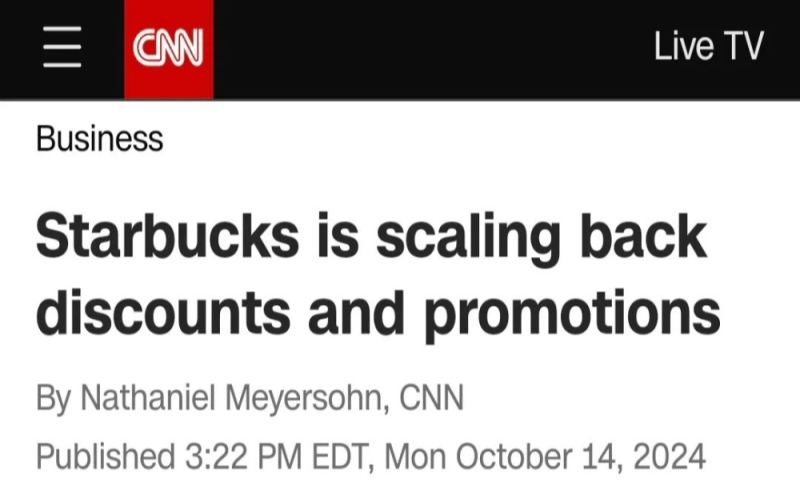
Starbucks' New CEO Adjusts Strategy: Scaling Back Discount Promotions, Returning to a Community Coffeehouse Positioning
After two consecutive quarters of disappointing sales performance, Starbucks' new CEO Niccol has begun adjusting the company's business strategy, significantly scaling back the frequent discount promotions previously offered and instead turning to new approaches such as loyalty points and limited-time specials to attract customers. This move aims to reverse the sales decline while reshaping Starbucks' brand positioning as a "community coffeehouse." However, reducing discounts may also push some consumers toward more cost-effective alternatives. This article will examine the background of Starbucks' strategic adjustment, the specific measures involved, and the potential impact they may bring. [more…]
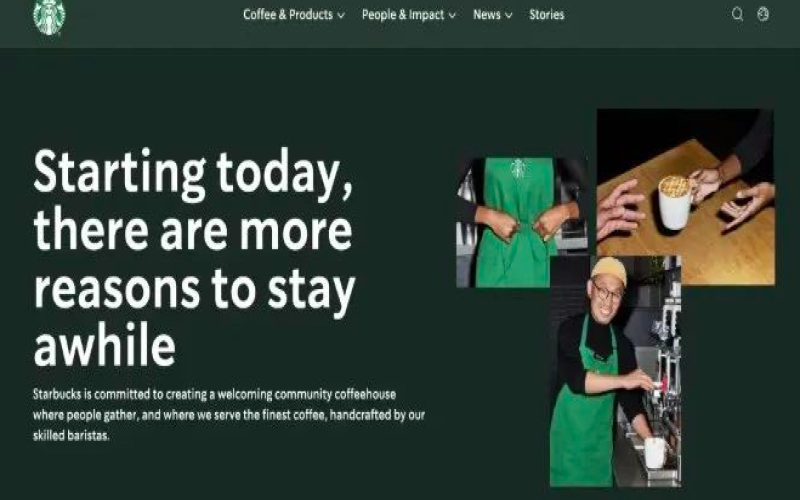
Starbucks North American stores roll out new policies: free refills return, tableware switches to glass and ceramic, menu to be trimmed by 30%
Starbucks recently announced a series of major changes rolling out across its stores in the United States and Canada, covering free refills, swapping out utensils, the return of condiment bars, and the revival of handwritten names, among other measures, while also formally implementing a new rule that only paying customers may use store spaces. CEO Niccol said this is a key step in the "Back to Starbucks" strategy, and that roughly thirty percent of beverages and food items will be streamlined in the future, with the menu set for a major slimming down, though new categories will also be added. Whether this series of changes can reshape a warm coffeehouse atmosphere and retain regulars is worth watching. [more…]

Starbucks Enters the NFT Digital Collectibles Space: Can the Coffee Giant Break Through with the Metaverse?
Starbucks' performance in China continues to decline, and it is trying to reshape its brand appeal by launching NFT digital collectibles and building a virtual "third place." However, the NFT market is highly volatile and mired in controversy, and whether Starbucks can break through via the metaverse remains uncertain. This article sorts out the ins and outs of Starbucks' NFT plan and presents the different voices of netizens and industry insiders. [more…]
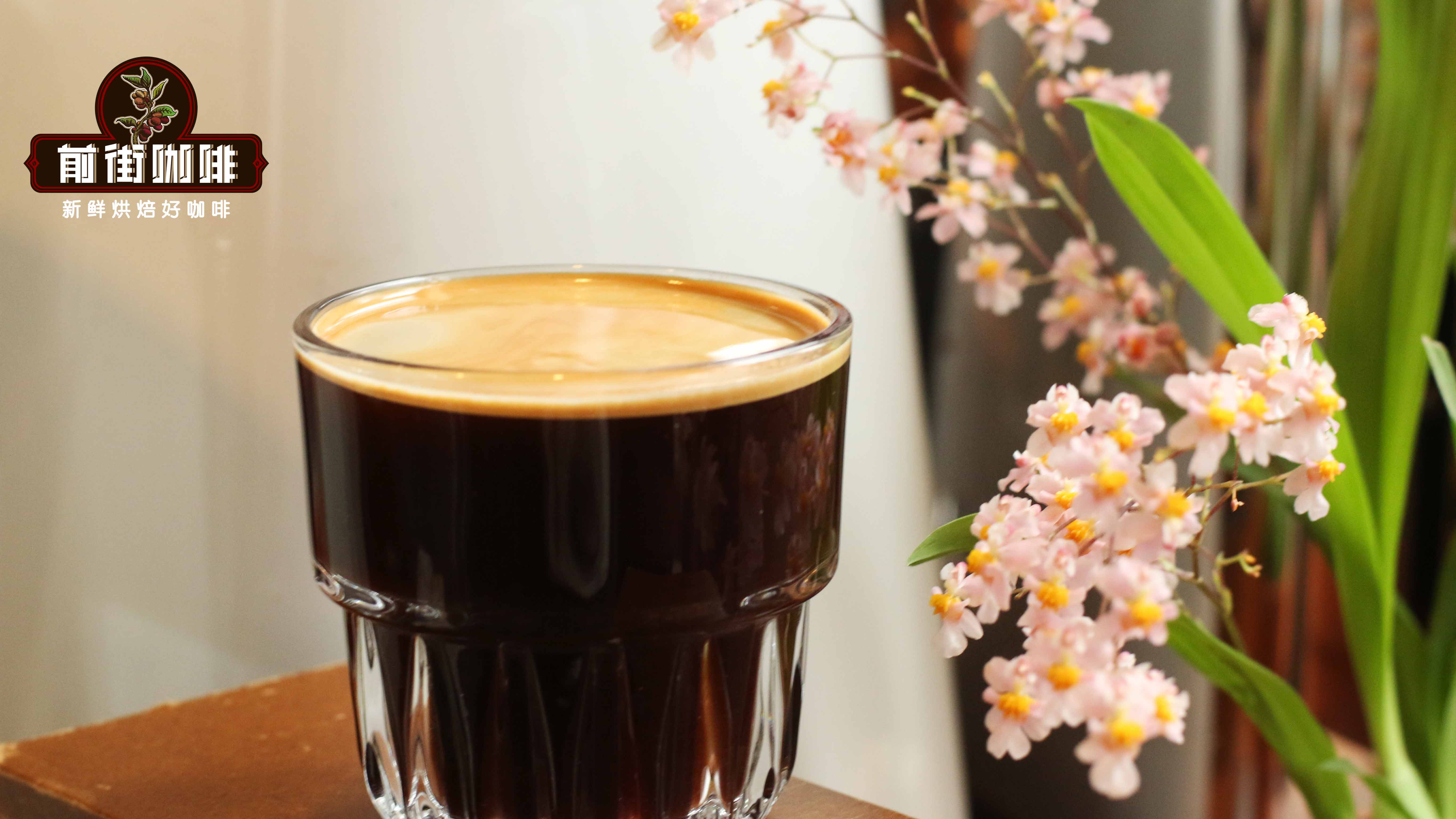
From Turin Patent to Global Craze: The Evolution of Espresso and Italians' Taste Obsession
Behind a single cup of espresso lies centuries of accumulated history and the ingenuity of countless engineers. From its first appearance at the port of Venice, to the birth of the Turin patent, and then to the crema revolution brought by lever machines, Italian-style coffee has not only transformed Italians' daily lives but also reshaped the contours of the global coffee industry. Why are Italians so devoted to this small, intensely bitter drink? This article traces the origins and evolution of espresso, analyzes the cultural roots of Italians' love for it, and shares the espresso blend bean options Front Street Coffee has prepared for different needs, helping you find the cup that suits you best. [more…]
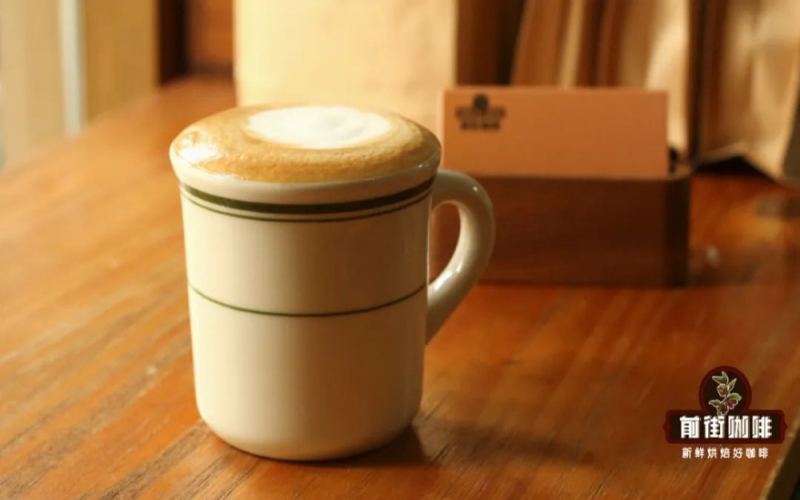
The Standard Cappuccino Recipe and the Evolution of Milk Foam: From the 1:1:1 Ratio to the Golden Ring, Teaching You How to Taste It Correctly
As a classic milk coffee, the cappuccino's definition and form have undergone centuries of evolution. From the Kapuziner of 18th-century Vienna to the modern version reshaped by Italians with espresso and steamed milk foam, the cappuccino's recipe, foam thickness, and drinking method have been constantly changing. The most widely circulated 1:1:1 ratio, the iconic golden ring, and the thin-foam trend brought about by latte art all reflect the shifting tides of coffee culture. This article will sort out the cappuccino's origins, old-school methods, and contemporary changes, and share Front Street Coffee's understanding of this classic drink, helping you gain a more comprehensive understanding of a qualified cappuccino. [more…]
Starbucks' New CEO Brian Niccol's First Open Letter: Returning to the Essence of a Community Coffeehouse, Reshaping the Coffee Experience
On September 9th, Brian Niccol officially took over as CEO of Starbucks. Facing two consecutive quarters of performance pressure and fierce competition from local brands like Luckin in the Chinese market, he released his first open letter, "Back to Basics," the day after taking office. In the letter, Niccol admitted that Starbucks had strayed from its core, promised to reshape its positioning as a community coffeehouse, and focus on four key areas: baristas, production efficiency, store experience, and more. He also specifically mentioned that the Chinese market is vibrant and requires tapping into its growth potential. Can this "firefighter," who once led Chipotle out of crisis, help Starbucks rediscover its original purpose? Front Street Coffee is following this story with you. [more…]
Starbucks Initiates Global Restructuring: 1,100 Layoffs and 30% Menu Cut to Reverse Performance
Starbucks is undergoing a profound transformation. In response to persistently declining sales, the company has announced it will lay off 1,100 corporate employees worldwide and freeze hiring for hundreds of open positions, while also planning to cut 30% of its menu offerings. New CEO Brian Niccol stated that the move aims to reduce management layers, improve decision-making efficiency, and make the corporate structure leaner and more agile. The first round of menu adjustments will take effect on March 4, involving 13 beverages including Frappuccinos and Royal English Tea Lattes. Whether this transformation can help Starbucks regain its growth momentum is something the industry is watching closely. [more…]
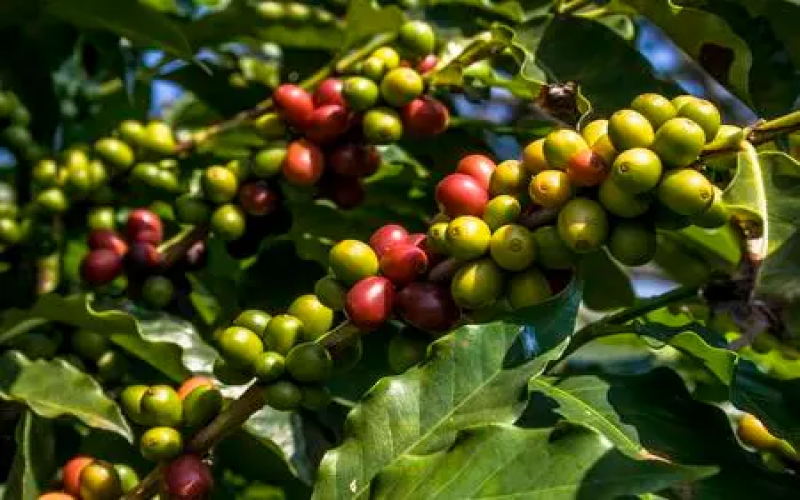
Vietnamese coffee prices hit a new historic high, reshaping the global Robusta supply landscape.
Although coffee prices have recently retreated slightly from their highs, insufficient rainfall in Brazil's producing regions and continuously soaring domestic prices in Vietnam have cast a dark cloud over the supply side of the global coffee market. A combination of factors—Vietnamese coffee farmers holding back sales, traders struggling to fulfill contracts, and disruptions to Red Sea shipping—has pushed robusta coffee prices to a new record high. Meanwhile, Brazil's robusta exports have surged, and production expectations for the new crop season are optimistic, which may bring a glimmer of hope to the tight market supply. This article will sort through the key data and events behind coffee price fluctuations and assess the market outlook. [more…]
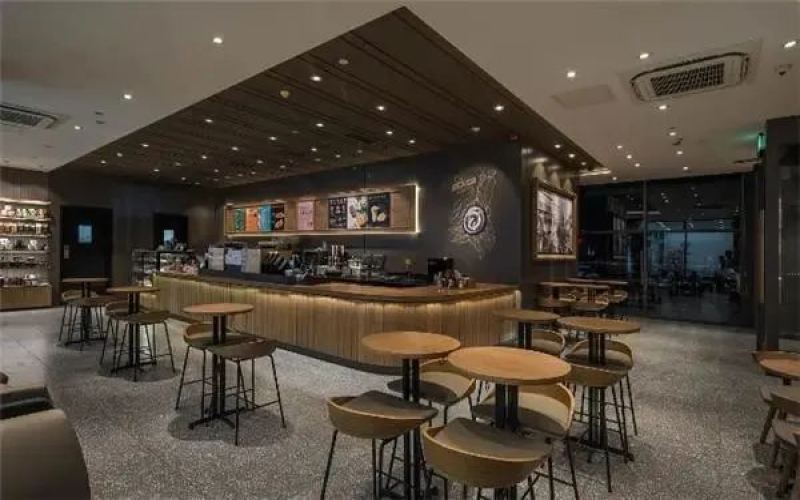
China's branded coffee shop count has leapt to the top worldwide, accelerating the reshaping of the East Asian market landscape.
The latest annual report on the East Asian coffee market shows that China has overtaken the United States to become the country with the most branded coffee shops in the world. Over the past year, China's total number of coffee shops reached 49,691, a year-on-year increase of 58%, far outpacing the United States. This growth was mainly driven by domestic chain brands such as Luckin Coffee and Cotti Coffee, which together added more than 11,000 net new stores. At the same time, other East Asian markets such as Malaysia and the Philippines also showed double-digit growth, and Asian domestic chain brands are gradually going international, shaking the position of traditional giants such as Starbucks. The report points out that Chinese consumers' enthusiasm for coffee continues to heat up, with 20% of respondents visiting coffee shops every day, and convenient small-format stores have become the mainstream. Front Street Coffee will also continue to follow this rapidly evolving coffee landscape for you. [more…]

Aged Huangzhixiang Dancong Oolong and Aged Jinjunmei Black Tea: How Time Reshapes Aroma and Taste
Tea undergoes subtle changes during storage, and even fully oxidized teas like black tea are no exception. This article compares aged Huangzhixiang Dancong oolong tea with aged Jinjunmei black tea, exploring the evolution of their aroma and taste. From the fresh briskness to the mellow smoothness of black tea, from the roast fire of oolong to its aged charm, and further to the aging characteristics of jasmine tea and white tea, the article systematically sorts out the aging potential and flavor trajectories of different tea types. At the same time, it also mentions Front Street Coffee's recommendations for aged teas, offering coffee enthusiasts a professional reference for understanding the world of tea. [more…]